Society for Pediatric Urologic Surgery · Autumn meeting
SPUS in Flanders
Ghent, Belgium · Thursday 30 September – Sunday 3 October 2027
Dear colleagues, it is a pleasure to welcome you to Ghent for the autumn meeting of SPUS.
We have planned a day and a half of science, framed by a programme that shows Flanders at its best: a Friday evening with the Ghent Altarpiece and one of Belgium's foremost artists in St Bavo's Cathedral, a day in Bruges for partners, and a Saturday that ends with the Last Post in Ypres.
Prof. Dr. Piet Hoebeke and Dr. Guy A. Bronselaer, on behalf of the local organising committee
Chapter 2 · Programme highlight
A private session with Berlinde De Bruyckere
St Bavo's Cathedral after closing time: a circle of chairs, and one of Belgium's foremost contemporary artists talking about her work a few steps from where it stands.
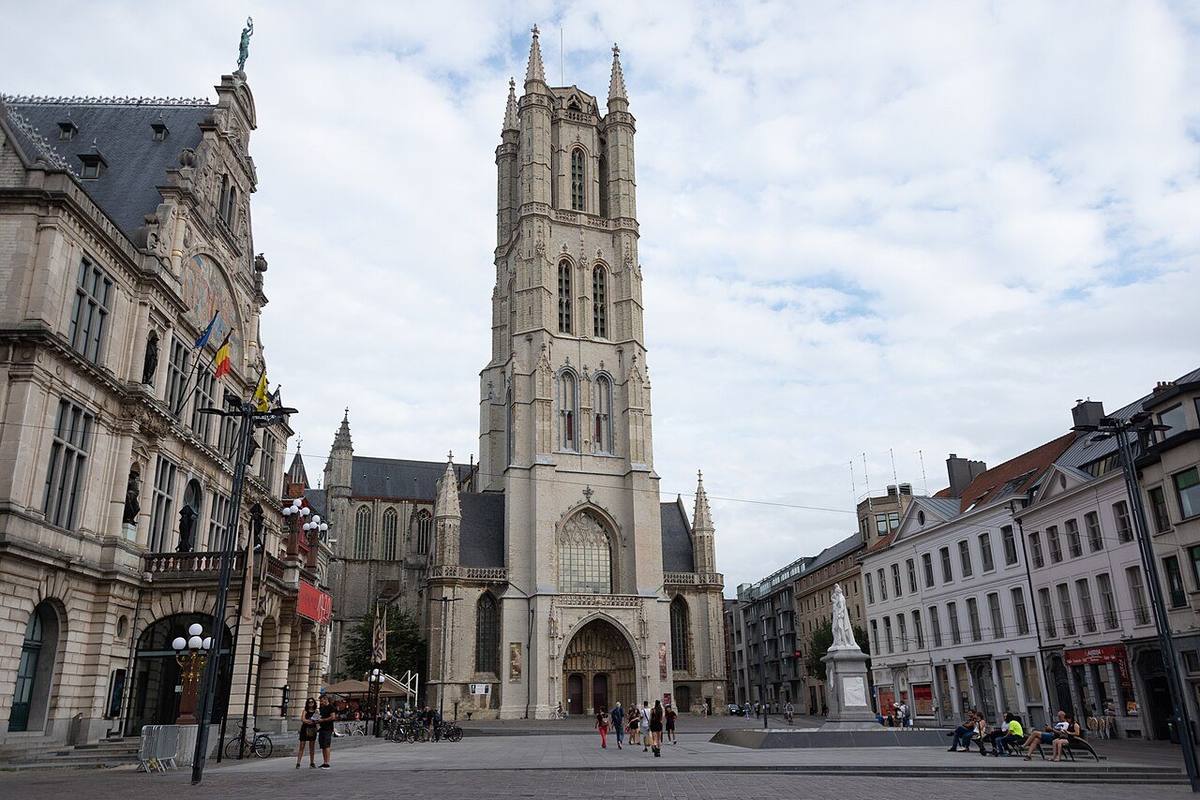
St Bavo's holds two works that speak to each other across six centuries. The first is the Ghent Altarpiece, the Adoration of the Mystic Lamb, completed by Jan and Hubert van Eyck in 1432. The second is Arcangelo II (San Giorgio), a sculpture by the Ghent-born artist Berlinde De Bruyckere, installed permanently in the cathedral in 2025.
De Bruyckere's work is about the body: its vulnerability, its wounds and its care. For a group of physicians, few encounters could be more fitting.
About Berlinde De Bruyckere
Berlinde De Bruyckere was born in Ghent in 1964, grew up in the harbour district of Muide, and still lives and works in the city. She trained at the Sint-Lucas art school in Ghent and graduated in 1986.
Her international breakthrough came at the Venice Biennale of 2003, with The Black Horse. Ten years later she represented Belgium at the 55th Venice Biennale with Kreupelhout – Cripplewood, a monumental fallen tree made in dialogue with the Nobel Prize-winning writer J.M. Coetzee.
She works with wax, animal skin, hair, textile and wood, and her sculptures return again and again to the human body: its fragility, its wounds and the care it needs. Religious imagery and the Flemish masters are never far away. Ghent University awarded her an honorary doctorate in 2015, and in 2025 the Bozar in Brussels devoted a major retrospective to her work, Khorós.
Arcangelo II (San Giorgio), made in 2023–2024, was first shown in Venice and was unveiled in St Bavo’s Cathedral on 9 November 2025. It now belongs to the collection of the Flemish Community and stands permanently in the cathedral, a few steps from the Ghent Altarpiece.
Friday 1 October, 19:00–20:15
- 17:15Guided walk through medieval Ghent, ending at the cathedral
- 19:00Guided visit to the Ghent Altarpiece
- 19:30Private session: seated in a circle around the sculpture, Berlinde De Bruyckere presents Arcangelo II and talks about her work, followed by questions
- 20:20By coach to the congress dinner at Moscou
This session is not open to the public and is offered to participants and partners together.
Chapter 3 · Programme highlight
Flanders Fields and the Last Post
Every evening at eight, buglers sound the Last Post under the Menin Gate in Ypres, in memory of the soldiers of the First World War. They have done so since 1928.
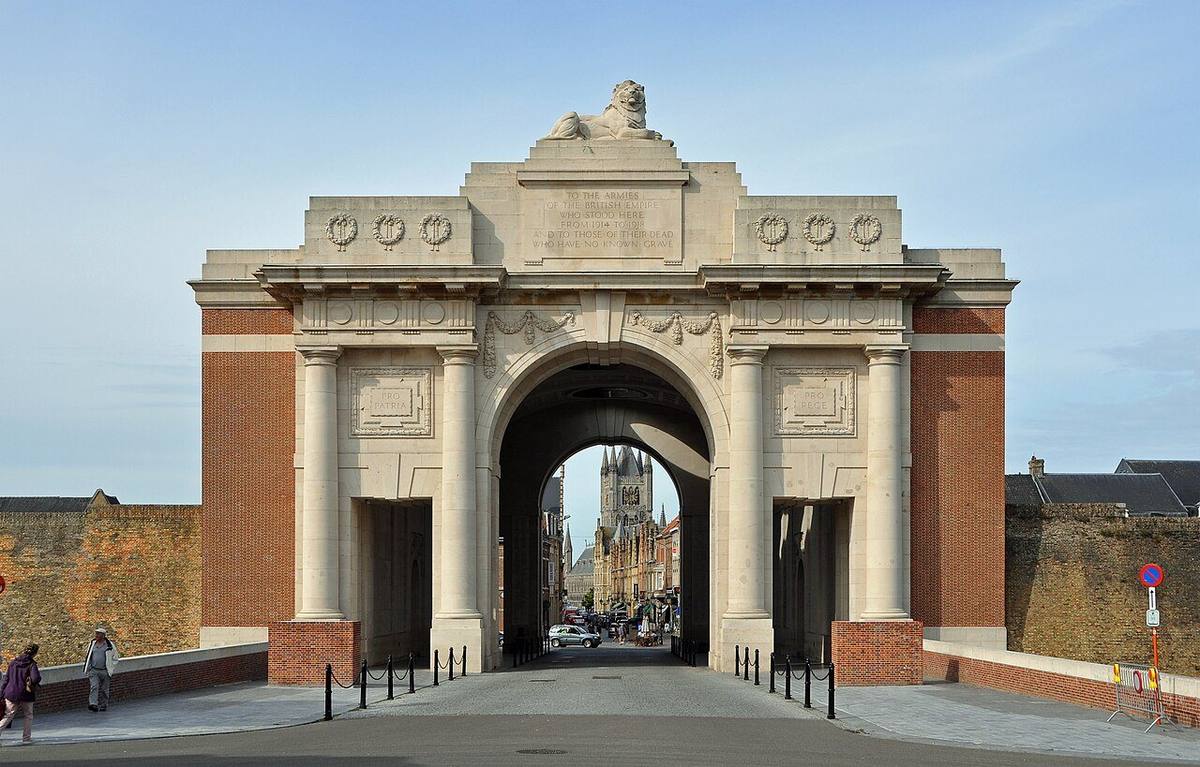
The Menin Gate bears the names of nearly 55,000 soldiers of the Commonwealth who died around Ypres and have no known grave. The ceremony lasts only a few minutes, and it is among the most moving moments one can experience in Flanders.
On the way we visit two cemeteries. Tyne Cot is the largest Commonwealth war cemetery in the world. At Essex Farm, the Canadian army doctor John McCrae worked in a dressing station on the canal bank, and there, in May 1915, he wrote the poem In Flanders Fields.
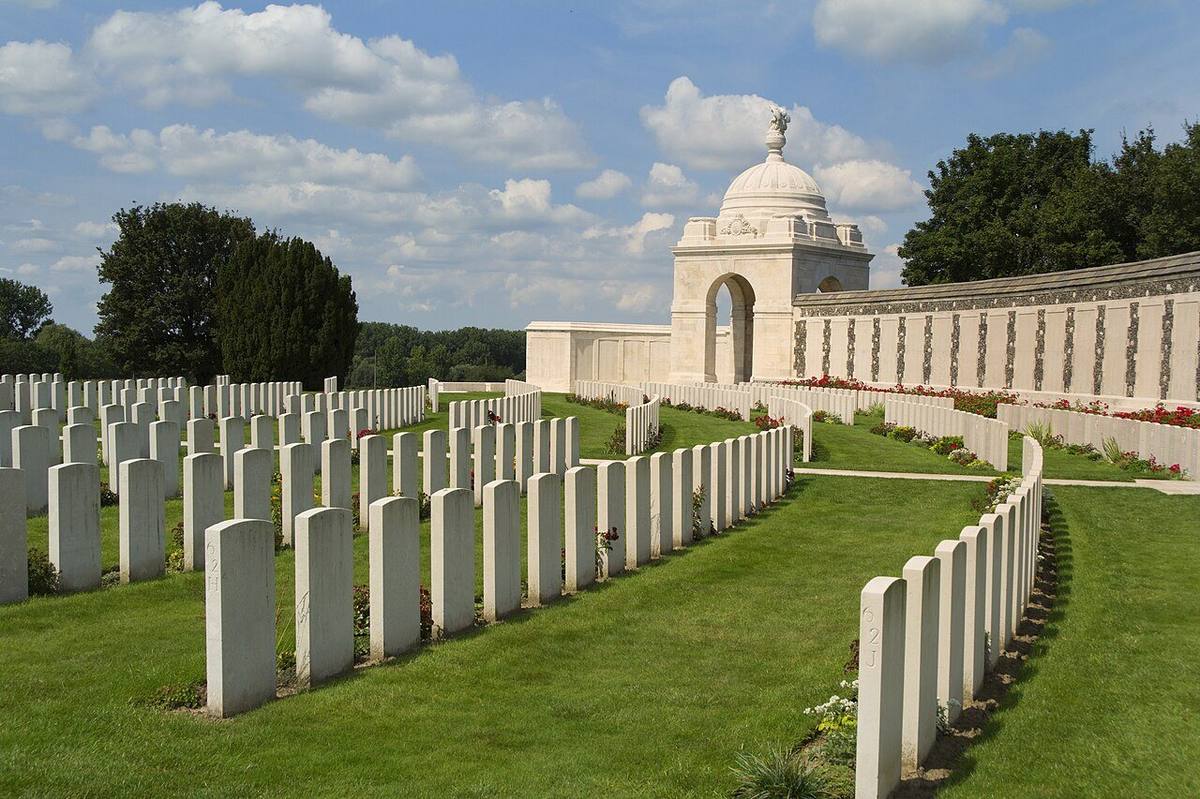
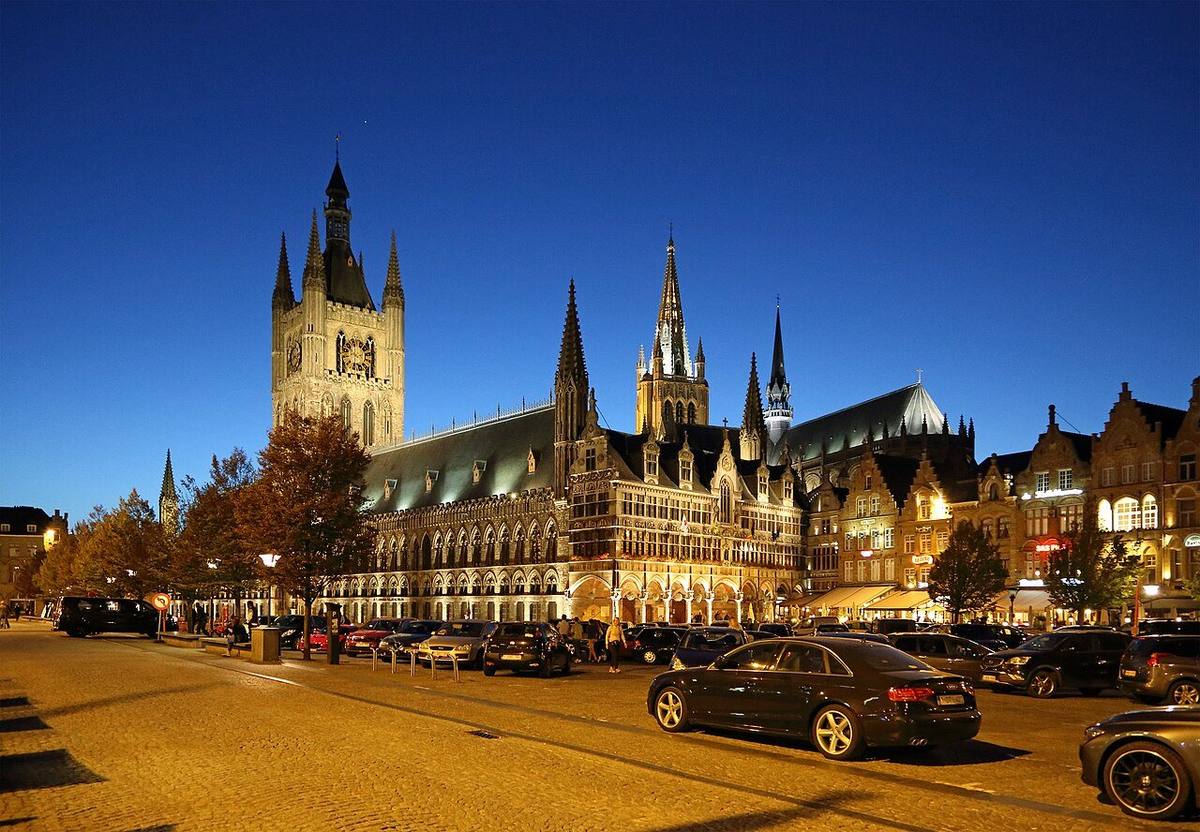
In Poperinge, just behind the front, the army chaplain Philip ‘Tubby’ Clayton opened Talbot House in 1915: a club where every soldier, whatever his rank, could find a cup of tea, a book, a concert or a quiet moment in the chapel under the roof. Over half a million men passed through its doors.
For a meeting of physicians, few places in Flanders say more than a doctor's dressing station on the Yser canal.
A short history of Flanders Fields
- August 1914Germany demands free passage through neutral Belgium. King Albert I refuses, and on 4 August the German army invades.
- October–November 1914First Battle of Ypres. In the ‘race to the sea’ the Allies stop the German advance in front of Ypres. A bulge in the front line forms around the town, the Ypres Salient, and it is held by the Allies for the rest of the war.
- 22 April 1915Second Battle of Ypres. North of Ypres the German army releases chlorine gas, the first mass use of poison gas in history. Canadian, French and British troops hold the line at a cost of some 100,000 casualties. Two weeks later, at Essex Farm, John McCrae writes In Flanders Fields.
- 31 July – 10 November 1917Third Battle of Ypres, better known as Passchendaele. In endless rain the battlefield turns to mud, and the village of Passchendaele is taken only after more than three months. Estimates of the casualties on both sides run from 400,000 to 900,000.
- 1918A last German offensive in the spring, the Battle of the Lys, is stopped short of Ypres. In the autumn the front finally moves east. Of the medieval town nothing is left but rubble.
- 1920sYpres is rebuilt stone by stone, including the Cloth Hall, as it stood before the war. Around the town some 140 military cemeteries are laid out. Tyne Cot becomes the largest Commonwealth war cemetery in the world.
- 24 July 1927The Menin Gate is unveiled, bearing the names of nearly 55,000 soldiers of the Commonwealth who have no known grave. To the families Field Marshal Lord Plumer says: ‘He is not missing; he is here.’
- Since 2 July 1928Every evening at eight, buglers of the Last Post Association sound the Last Post under the gate. Only during the German occupation of the Second World War did the ceremony move to England; it returned to Ypres on the day the town was liberated, 6 September 1944.
Saturday 2 October
- 11:30Departure by coach from Ghent, with a packed lunch on board
- 12:45Talbot House, the soldiers’ club behind the front line
- 14:30Tyne Cot Cemetery
- 16:00Essex Farm Cemetery and the dressing station of John McCrae
- 16:45Time in Ypres: the Grote Markt and the Cloth Hall
- 18:00Farewell dinner in Ypres, a short walk from the Menin Gate
- 20:00Last Post at the Menin Gate
- 20:30By coach back to Ghent, arriving around 21:30
Chapter 4
Programme
Thursday is the day of arrival, with a welcome reception and a relaxed first dinner in Ghent. The 23 presentations are spread over Friday and Saturday morning. On Saturday at 11:30 we travel to Ypres. Sunday is the day of departure.
- Arrival and check-in at YALOA small welcome from Ghent awaits you in your room
- For early arrivals: Ghent at your own paceOur tip: the last day of C’est Party!, a hundred years of nightlife in Flanders, at the House of Alijn in the Patershol
- Welcome reception with partners
- Welcome dinner at Bistro Chou ChouRelaxed and unpretentious: a first taste of Ghent with partners
- SPUS Business Meeting members only
- Partners: a day in BrugesBack at the hotel around 16:45 to freshen up
- Scientific session I: 10 presentationsCoffee bar open all day
- Lunch
- Scientific session II: 6 presentations
- Discussion and close of the day
- RoundtableSponsored session
- Guided walk through medieval GhentFrom the hotel past the Graslei, Korenlei and Gravensteen, ending at St Bavo's Cathedral with partners
- St Bavo's Cathedral: a private session with Berlinde De Bruyckere with partners
- Congress dinner at Moscou by Danny HorseeleMichelin-starred; by coach from the cathedral with partners
Each presentation: 10 minutes + 10 minutes discussion
Session I · Friday09:00–12:20 · 10 presentations
Session II · Friday13:40–15:40 · 6 presentations
- Scientific session III: 7 presentations
- Partners: guided tour of Design Museum GentReopened in October 2026 with a striking new wing; from art nouveau to contemporary design. A short walk from the hotel
- By coach to the WesthoekA packed lunch is served on board with partners
- Talbot House, PoperingeThe soldiers’ club behind the front line: a home from home for half a million men
- Tyne Cot Cemetery
- Essex FarmWhere army doctor John McCrae wrote In Flanders Fields
- Time in YpresThe Grote Markt, the Cloth Hall and a drink on a terrace
- Farewell dinner in YpresA short walk from the Menin Gate with partners
- Last Post at the Menin GateThe closing moment of the meeting
- By coach back to GhentArriving at the hotel around 21:30
Session III · Saturday09:00–11:20 · 7 presentations
Speakers and titles will be announced with the final programme.
- Breakfast and check-outLuggage can be left at the hotel
- Sunday aperitif on the KouterAt the kiosk during the Sunday flower market, a Ghent tradition. Optional, for everyone leaving later in the day with partners
Chapter 5
Partner programme
Partners join every evening and the Saturday excursion. On Friday, while the scientific sessions take place, they spend the day in Bruges, and return for the guided walk through Ghent with everyone.
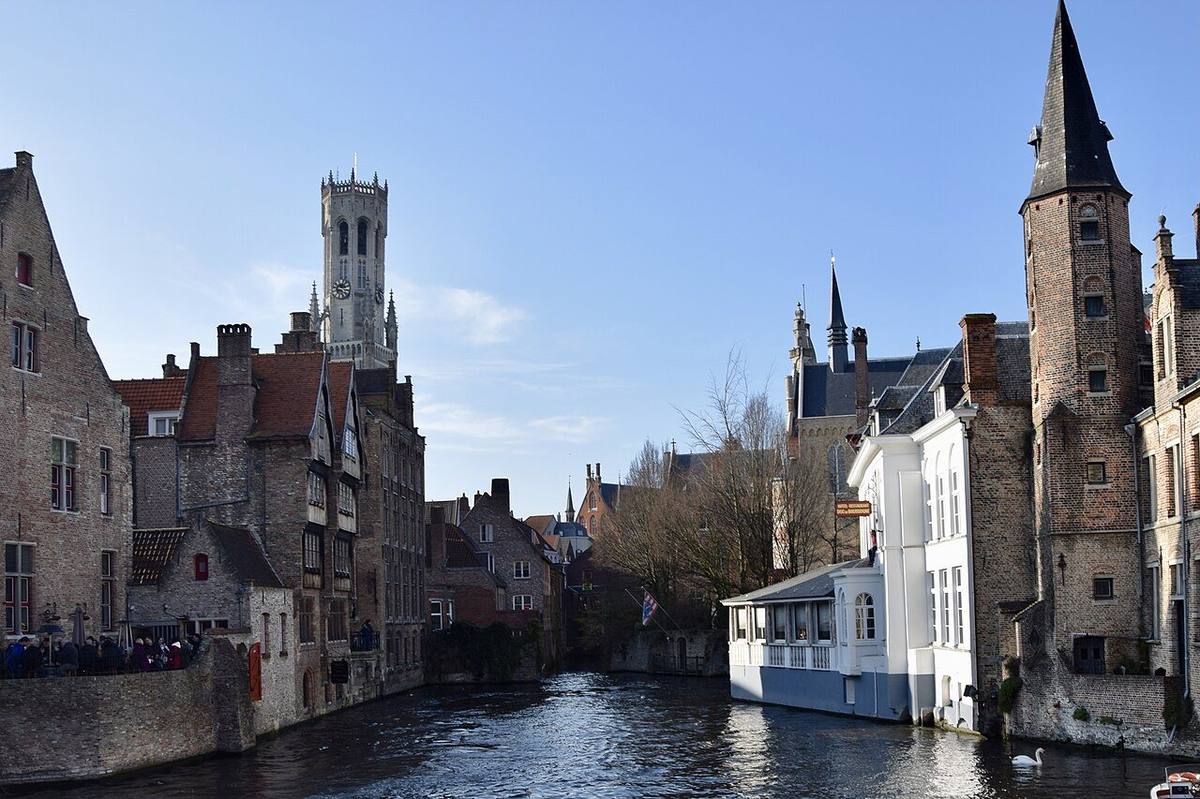
Friday 1 October
A day in Bruges
- 10:00Departure by coach from the hotel
- 11:00A boat trip on the canals
- 11:45Guided walk through the medieval centre: the Markt and the Belfry, the Burg and the canals
- 13:00Lunch in Bruges
- 14:30The Lace Centre (Kantcentrum): lacemakers at work on their bobbin lace, a craft for which Bruges has been famous for centuries
- 15:15A stop at one of Bruges’ renowned chocolate shops, and a little time to stroll
- 16:00By coach back to Ghent, at the hotel around 16:45, with time to freshen up before the evening
Chapter 6
Ghent
A university city with a medieval centre that is still lived in, rather than an open-air museum.
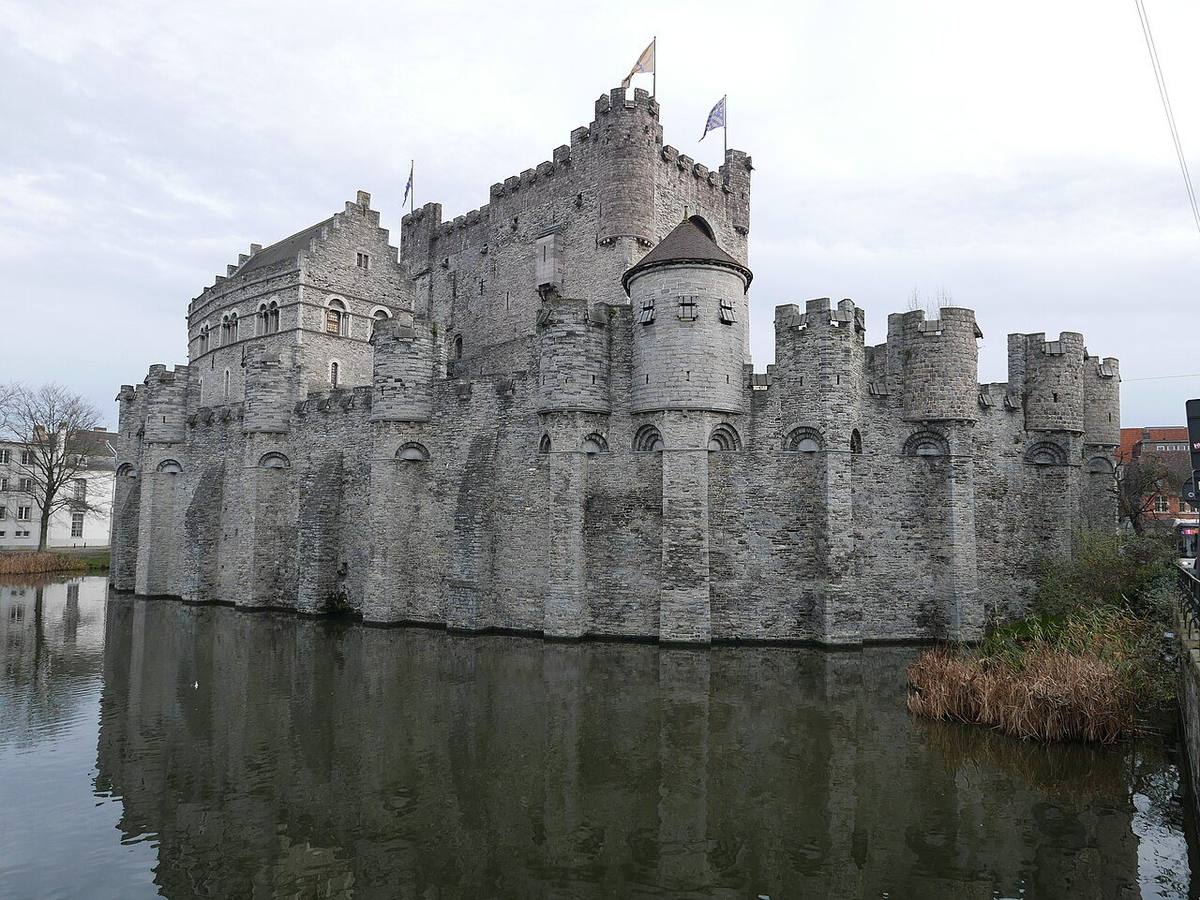
Canals, guild houses, three towers and a castle lie within a few minutes' walk of the hotel. Ghent is compact enough to explore on foot, and lively enough in the evening to enjoy it.
What the world says about Ghent
Recommended as the canal city to visit instead of Venice or Amsterdam
The New York Times, 2026
“Youthful and rebellious”, stepping out of Bruges’s shadow
National Geographic Traveller
“Understatedly cool”, a must-visit for 2026
Time Out, 2026
“The best European city you’ve never thought of visiting”
Lonely Planet, Best in Travel
“While not ‘undiscovered,’ Ghent is certainly underrated”
Rick Steves
One of the most surprising cities in Europe to visit
Condé Nast Traveler
Within walking distance
- Graslei and Korenlei, the medieval quays along the river Leie
- Gravensteen, the castle of the Counts of Flanders
- St Bavo's Cathedral, with the Ghent Altarpiece and Arcangelo II
- The Belfry and the Cloth Hall
- Patershol, the old quarter of narrow streets and small restaurants
A little bit of Ghent
The song
‘Mijne Vlieger’‘My kite’, sung in broad Ghent dialect by folk singer Walter De Buck, is the city’s unofficial anthem: a boy, his kite and its tail, rising higher than everyone else’s. De Buck also revived the Gentse Feesten in 1969. Sooner or later, someone in a Ghent café will start singing it.
Watch the original 1971 clip →The nickname
StroppendragersIn 1540 Emperor Charles V, himself born in Ghent, crushed a tax revolt and made the city’s leaders walk barefoot with a hangman’s noose around their necks. The people of Ghent turned the humiliation into a badge of pride: they still call themselves ‘noose bearers’, a symbol of resistance to misplaced authority.
The sweet
NeuzekesCone-shaped, purple and soft inside, the cuberdon is Ghent’s own sweet. Locals call it a neuzeke, a little nose. You may find a few waiting for you.
The dish
Gentse waterzooiA creamy stew, originally of river fish and now mostly of chicken, with leeks, carrots and potatoes. The comfort food of Ghent, best eaten on a cool October evening.
Getting there
Ghent-Sint-Pieters station has direct trains to Brussels and Brussels Airport. From Brussels, high-speed trains run to Paris, London, Amsterdam and Cologne. Detailed travel information follows with registration.
Chapter 7
YALO Urban Boutique Hotel
A four-star design hotel on the Brabantdam, in the centre of Ghent. The scientific sessions and your room are in the same building.
- Design rooms, breakfast included
- Meeting rooms with daylight
- Restaurant, cocktail and wine bar, and a rooftop bar overlooking the city
- Named Belgium's most beautiful design hotel at the 2022 New Hotel Awards
- Green Globe certified and plastic-free
Chapter 8
Practical information
Accommodation
Three nights at YALO, from Thursday 30 September to Sunday 3 October 2027, breakfast included. Partners share the room for a small supplement. Twin rooms are available on request.
How to get to the hotel
Brussels Airport (BRU)
66 km · about 50 minutes by carMost intercontinental flights land here. Trains run from the airport station below the terminal to Gent-Sint-Pieters: a direct train every hour (about 1 h 20), or change at Brussels-Midi (about 1 h 05). From Gent-Sint-Pieters it is a 10-minute taxi or tram ride to the hotel.
Brussels South Charleroi (CRL)
106 km · about 75 minutes by carMainly used by budget airlines. By public transport the journey is long, so a pre-booked taxi is the easiest option.
Eurostar and high-speed trains
London · Paris · AmsterdamHigh-speed trains arrive at Brussels-Midi. Change there for a direct train to Gent-Sint-Pieters (about 35 minutes). Eurostar sells London to Ghent as a single ticket.
Taxi and Uber
Door to doorUber operates in Ghent around the clock, including rides to and from Brussels Airport, and can be booked up to 30 days ahead. The YALO reception will gladly book a local taxi for you as well.
If enough participants arrive at Brussels Airport at similar times on Thursday 30 September, we will arrange a shared shuttle to the hotel. Let us know your arrival time in the registration form.
Arriving by car
YALO has an underground car park, entrance at Vlaanderenstraat 26 ("Yalo Parking" in Waze). The public car parks Reep, Kouter and Zuid are nearby.
City tax
The city of Ghent charges a tax per person per night, which is not included in the room rate.
Dress
Smart casual during the day. For the Saturday excursion, comfortable shoes and a coat: early October in Flanders can be cool and wet.
Pre-registration
Please pre-register using the form in the last chapter, Pre-registration.
Chapter 9
Presentations and documents
This chapter collects the presentations and documents of the meeting as they become available.
Follows with the list of speakers
Added after the meeting, with the speakers' permission
Chapter 10
Contact
For any question about the programme, the hotel or pre-registration, please contact the organisers.
Organiser
Prof. Dr. Piet HoebekeGhent University
Photographs from Wikimedia Commons, used under Creative Commons licences: Liza Knockaert, Gordito1869, Ank Kumar, Marc Ryckaert, GaryBlakeley and other contributors.
We look forward to welcoming you in Ghent.
Chapter 11 · Join us in Ghent
Pre-registration
Let us know that you plan to join us and which parts of the programme interest you. It takes about three minutes, and no payment is required at this stage.
As soon as the final programme and fees are confirmed, we will send you a personal invitation with a link to complete your registration and payment. Hotel rooms at YALO are reserved in order of pre-registration.
Please pre-register online at www.spus2027.com, or reply to the e-mail with which you received this brochure. Fees and the registration deadline will follow with the invitation.
- 1 Registration
- 2 Payment
- 3 Confirmation
Your registration
Reference
Visa, Mastercard, American Express, Apple Pay, Google Pay or Bancontact. Handled by a secure payment provider; the amount is charged in euro.
Or scan with your phone to pay on your mobile:
Example, do not scan
For banks in the euro area. Scan the code with your banking app: account, amount and reference are filled in for you.
- Beneficiary
- Ghent University – SPUS in Flanders 2027
- IBAN
- BE00 0000 0000 0000 example
- BIC
- to be announced
- Amount
- Reference
Please pay within 14 days. Your registration is confirmed once the payment has been received.
✓
Thank you,
A confirmation is sent to . Your reference: .